
There are so many gadgets that are designed to make your life easier. As hearing health professionals, we see many advancements in hearing technology that really excite us, which make managing hearing loss easier and more accessible than ever before.
Apps
As they say, there’s an app for everything. Here are some of the most essential apps you can put on your mobile device to help you manage hearing loss in your day-to-day life.
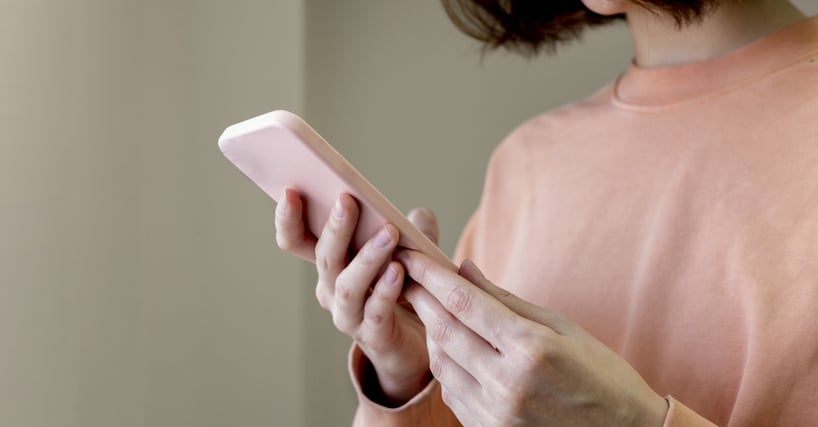
- Live transcription apps. Live Transcribe for iOS and Google Live Transcribe for Android are the two most popular in this category. As words are spoken, your phone will provide real-time speech-to-text captions to help you follow along. A real boon for conversations, especially in noisy places.
- Captioning apps. Phone calls, Zoom meetings and other online conversations, especially group conversations. Captioning apps can integrate with these platforms and, much like live transcription apps, make real-time captions. These can identify who’s speaking, and the AI-powered ones, like Otter AI, can create summaries based on the transcription.
- Volume boosters. Your own personal sound mixer for daily life. Not only do these make sounds louder so you can better hear them, but they can also eliminate background noise and isolate speech sounds. Sound Amplifier, available on both iOS and Android, is a popular choice.
- Tinnitus relief. Tinnitus and hearing loss are deeply connected—90% of tinnitus cases also occur with hearing loss. If you struggle with tinnitus, you may find that a sound therapy library can help mask or soothe the burden of tinnitus. Sound therapy is more effective when you’re working with a professional, so we also recommend seeking an audiologist’s guidance.
If you’re a hearing aid user, you should also download the app from your device’s manufacturer (e.g., the Oticon Companion App or myPhonak). These let you easily control your hearing aids from your phone and unlock additional cool features, such as Bluetooth streaming and telecare.
Gadgets
- Vibrating or visual alarm clocks. Often, people with hearing loss specifically struggle with high-pitched noises, which alarm clocks use most often. If you keep missing your alarm, consider a vibrating or visual alarm clock.
- Video doorbells. These are becoming increasingly popular even among people without hearing loss (think Ring or Nest). People with hearing loss can especially benefit from these for the same reason as the vibrating alarm clocks; it’s harder to hear high-pitched noises.
- TV amplifiers. If you keep turning up the volume on the television and the people you live with are complaining, consider getting a TV amplifier with headphones so you can control the volume just for yourself. Be wary, however, of turning the volume up too loud; you could damage your residual hearing.
- Hearing aids or cochlear implants. We know this is an obvious one, but hearing aids or cochlear implants are essential if you have hearing loss.
If you want to learn more about hearing assistance technology or are ready to learn about how hearing aids combine these features and more into a single device, call Aaron's Hearing Aid & Audiology Center today!