
In our profession, we sometimes have to have hard conversations. Today, in the spirit of National Speech-Language-Hearing Month, we need to discuss how hearing loss can contribute to communication breakdowns and how that can impact even the closest and healthiest relationships.
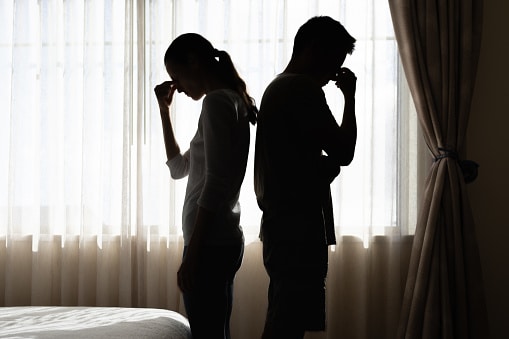
Some Things to Keep in Mind
National Speech-Language Hearing Month is all about communication and communication disorders. Communication is the bedrock of any relationship: familial, romantic, friendly, professional and even casual.
So on that note, there are two big things we want you to keep in your mind as we discuss this topic:
- Hearing loss doesn’t just affect the person experiencing it; it affects everyone in their life, and
- You may not even notice the effect it’s having at first.
Listening Is Tiring
For the person with hearing loss, their brain must work significantly harder to hear and understand sounds than someone with normal hearing. This leads to a phenomenon known as listening fatigue, when excessive mental energy is spent on the act of listening. That leaves less mental energy for other tasks, such as emotional regulation, concentration and retaining memories.
Listening fatigue often leaves people with a “short fuse,” making them more easily irritated by inconveniences and less inclined to engage mentally due to exhaustion. This constant state of fatigue and irritation makes it harder to give one’s relationships the care and attention they need.
Lack of Engagement
Suppose someone is telling their loved one about their day. The listener in this conversation has untreated hearing loss. As a direct result of listening fatigue, the listener might be more likely to pretend they heard what the speaker said and simply nod along or even zone out from the conversation entirely.
The problem is that the speaker often notices their partner’s lack of engagement. The first few times this happens, they might feel hurt or frustrated, and if it happens more and more over time, resentment will begin to build because they feel they’re not being heard.
The Blame Game
It’s not uncommon for someone with hearing loss to blame other factors for their mishearing. They may claim they couldn’t hear due to background music or that they were distracted by something else. They may blame the speaker for mumbling (which is what speech at a normal volume can sound like when you have high-frequency hearing loss, as most of our consonant sounds are high-pitched).
The back-and-forth of “I can’t hear you because you’re mumbling” and “I’m not mumbling; you need to get your hearing checked” is exhausting to both parties. No one likes being the target of blame. This conversation repeated several times will fray anyone’s nerves.
Shouting to Be Heard
Have you ever had a productive conversation that happened entirely via shouting? Probably not. When people shout, the person they’re speaking/shouting at reflexively reacts with defensiveness, whether they’re shouting in anger or not. If someone’s hearing loss has progressed to the point that conversations need to happen at a shout or near-shout just to be heard, that tone and volume will automatically make the conversation tense, even if it’s not by nature.
And this goes both ways; the person without hearing loss has to shout to be heard, and the person with hearing loss will shout because they can’t hear their own voice and don’t realize how loudly they’re speaking. This causes the conversation to escalate.
The Emotional Toll
These are only some of the ways we’ve seen hearing loss influence a relationship. And all of these take a severe emotional toll on both the person with hearing loss and their loved ones. That’s why it’s often our loved ones who notice signs of hearing loss before we do in ourselves.
We want to lead this conversation, not to bum you out, but to highlight the often quiet (no pun intended) ways hearing loss can influence our lives, beyond just not hearing the birds sing anymore.
We also want to lead this conversation because we want to highlight that Aaron's Hearing Aid & Audiology Center is here to be your partners in your or your loved one’s hearing loss journey. It’s time to get started and get back to healthy communication. Call us today to schedule a consultation.